Here are some key characteristics of catabolic pathways:
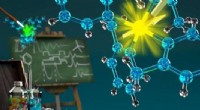
* Break down molecules: They take large, complex molecules (like carbohydrates, fats, and proteins) and break them down into smaller, simpler molecules (like glucose, fatty acids, and amino acids).
* Release energy: This breakdown process releases energy, which is often captured in the form of ATP (adenosine triphosphate).
* Exergonic reactions: Catabolic reactions are exergonic, meaning they release energy.
* Examples: Some common catabolic pathways include:
* Cellular respiration: Breaks down glucose to produce ATP.
* Glycolysis: Breaks down glucose into pyruvate.
* Lipolysis: Breaks down fats (lipids) into fatty acids and glycerol.
* Protein breakdown: Breaks down proteins into amino acids.
Think of it like this:
* Imagine a Lego structure. A catabolic pathway is like taking that structure apart, brick by brick, releasing the energy that was used to hold it together.
In contrast to anabolic pathways:
Catabolic pathways are the opposite of anabolic pathways. Anabolic pathways build up complex molecules from simpler ones, requiring energy input.
In a nutshell: Catabolic pathways are crucial for breaking down food molecules and providing energy for the body to function.