1. Protection and Structural Support:
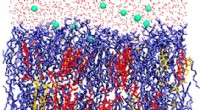
* The membrane acts as a barrier, separating the cell's internal environment from the external environment. This protects the cell from harmful substances and maintains a stable internal environment.
* It provides structural support, giving the cell its shape and helping to maintain its integrity.
2. Regulation of Transport:
* The membrane is selectively permeable, meaning it controls what enters and exits the cell. This is crucial for maintaining the proper balance of nutrients, ions, and waste products within the cell.
* It contains various transport proteins that facilitate the movement of molecules across the membrane, including active transport (requiring energy) and passive transport (driven by concentration gradients).
3. Communication and Signaling:
* The membrane contains receptors that bind to signaling molecules from other cells or the environment. This allows the cell to receive and respond to external signals, facilitating communication and coordination within the organism.
* It also plays a role in cell-cell recognition and adhesion, which are essential for tissue formation and function.
4. Energy Production:
* In certain cells, the membrane is involved in the production of energy through processes like oxidative phosphorylation. This is where the electron transport chain, a key step in energy production, takes place in the mitochondria.
5. Cellular Compartmentalization:
* In eukaryotic cells, the membrane also forms internal compartments, called organelles, which further divide the cell into specialized regions with specific functions. This allows for efficient and localized processes to occur within the cell.
In summary, the cell membrane is a vital component of all cells, providing essential functions for protection, transport, communication, energy production, and compartmentalization. Its ability to regulate the passage of molecules across its surface is crucial for maintaining the cell's internal environment and its ability to interact with its surroundings.