1. Membrane: A defining feature of a cell is a membrane, a selectively permeable barrier that separates the internal environment from the external environment. The membrane provides compartmentalization, allows for the concentration of molecules inside, and regulates the flow of substances.
* Possible Candidates: Early membranes could have been simple lipid bilayers, similar to cell membranes today, but likely more porous and less complex. Alternative hypotheses include membranes composed of other molecules like proteins or even simple fatty acid chains.
2. Genetic Material: A cell needs a system to store and transmit genetic information.
* Possible Candidates: While DNA is the primary genetic material in modern cells, it is likely that early cells relied on simpler forms of genetic material like RNA. RNA can act as both a carrier of genetic information and a catalytic enzyme (ribozyme), making it a plausible candidate for early life.
3. Metabolism: Cells need to generate energy and carry out essential biochemical reactions.
* Possible Candidates: Early metabolism likely involved simple reactions, potentially utilizing sources of energy like geothermal vents, sunlight, or inorganic chemicals. The specific metabolic pathways would depend on the environment the protobiont existed in.
4. Self-Replication: A defining characteristic of life is the ability to reproduce.
* Possible Candidates: Early forms of replication could have been rudimentary and less precise than the complex processes of modern cells. It's possible that protobionts replicated by simple division or budding, and their genetic material may not have been copied perfectly.
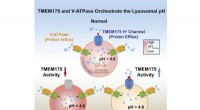
5. Internal Environment: A true cell needs an internal environment distinct from its surroundings.
* Possible Candidates: This could include the ability to maintain a specific pH, concentration of ions, or other factors necessary for internal processes.
It's important to note:
* There is no single "protobiont" that perfectly embodies all these features. The journey from non-living matter to the first true cell is likely a complex process involving many transitional forms.
* The specific equipment required for a protobiont to be considered a "true cell" might be different for different theories of abiogenesis.
* This list is a starting point for understanding the minimum requirements for a protobiont to be considered a cell. It's a dynamic field of research with new discoveries and ongoing debates.
The emergence of the first true cells remains one of the most profound mysteries in biology. Understanding the minimal components necessary for a protobiont to transition into a true cell will help us unravel the origins of life and our place in the universe.