Here's why:
* True Nucleus: Eukaryotic cells have a well-defined nucleus enclosed by a membrane that houses their genetic material (DNA).
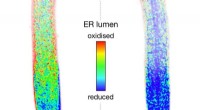
* Membrane-Bound Organelles: They also have other membrane-bound structures called organelles, such as mitochondria, Golgi apparatus, endoplasmic reticulum, lysosomes, etc., that perform specialized functions within the cell.
Examples of eukaryotic cells include:
* Animal cells
* Plant cells
* Fungi cells
* Protist cells
In contrast, prokaryotic cells (like bacteria and archaea) are simpler cells that lack a true nucleus and membrane-bound organelles.