1. Mapping and Sequencing:
* Mapping involves determining the order of genes and other DNA sequences within a genome.
* Sequencing involves determining the exact nucleotide sequence of the DNA.
2. Gene Function and Regulation:
* Identifying and understanding the functions of genes within the genome.
* Analyzing how genes are regulated and expressed in different tissues and conditions.
3. Genetic Variation and Evolution:
* Studying how genomes differ between individuals and populations.
* Understanding the evolutionary history of species by comparing their genomes.
4. Applications:
* Medicine: Personalized medicine, diagnostics, drug development, understanding disease mechanisms.
* Agriculture: Crop improvement, disease resistance, enhanced yields.
* Forensics: Identifying individuals and tracing ancestry.
* Biotechnology: Engineering organisms for specific purposes, such as producing biofuels or pharmaceuticals.
Key Concepts:
* Genome: The complete set of genetic material present in an organism.
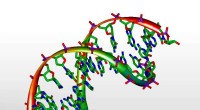
* DNA: Deoxyribonucleic acid, the molecule that carries genetic information.
* Gene: A segment of DNA that codes for a specific protein or RNA molecule.
* Chromosomes: Structures within the nucleus of a cell that carry genetic information.
* Genotype: The genetic makeup of an organism.
* Phenotype: The observable characteristics of an organism.
Advancements in genomics have revolutionized our understanding of biology and have significant implications for various fields.