Here's a breakdown of the key differences between eukaryotes and prokaryotes:
Eukaryotes:
* Larger and more complex: Have a membrane-bound nucleus that contains their genetic material (DNA).
* Compartmentalized: Have specialized organelles within the cytoplasm that perform specific functions, like mitochondria for energy production.
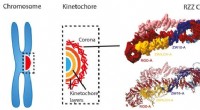
* Linear DNA: Their DNA is organized into multiple, linear chromosomes within the nucleus.
* Organisms: Plants, animals, fungi, and protists.
Prokaryotes:
* Smaller and simpler: Lack a nucleus, their DNA is located in a region called the nucleoid.
* No organelles: No membrane-bound compartments within the cytoplasm.
* Circular DNA: Their DNA is typically a single, circular chromosome located in the nucleoid.
* Organisms: Bacteria and archaea.
Here's a table summarizing the differences:
| Feature | Eukaryotes | Prokaryotes |
|-------------------|------------------------------------------|---------------------------------------------|
| Cell Size | Larger | Smaller |
| Nucleus | Present, containing linear DNA | Absent, DNA in a nucleoid region |
| Organelles | Present, specialized organelles | Absent, no membrane-bound compartments |
| Cell Wall | May be present (plants, fungi) | May be present (bacteria) |
| Reproduction | Sexual and asexual reproduction | Primarily asexual reproduction |
| DNA Structure | Multiple, linear chromosomes | Single, circular chromosome |
| Example Organisms | Plants, animals, fungi, protists | Bacteria, archaea |
In essence, eukaryotes are more complex and organized, with specialized compartments and a nucleus to house their DNA. Prokaryotes are simpler and smaller, lacking a nucleus and specialized organelles.