Active transport in plants is a crucial process that allows cells to move substances across their membranes against their concentration gradient. This means moving substances from an area of low concentration to an area of high concentration, which requires energy.
Here's a breakdown of key aspects:
1. Energy Requirement:
* Active transport requires energy from the plant cell, usually in the form of ATP (adenosine triphosphate). This energy is used to power specific protein pumps embedded in the cell membrane.
2. Protein Pumps:
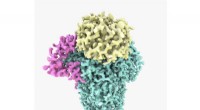
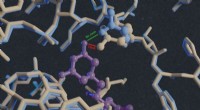
* These pumps are highly selective and bind to specific molecules they need to transport.
* They change shape upon binding and use the energy from ATP to move the molecules across the membrane.
3. Importance for Plant Growth and Function:
Active transport is essential for a variety of critical processes in plants, including:
* Nutrient uptake: Plants absorb essential nutrients like nitrates, phosphates, and potassium from the soil against their concentration gradients.
* Mineral transport: Moving minerals from roots to shoots, and throughout the plant, to support growth and development.
* Photosynthesis: Actively transporting carbon dioxide into cells for photosynthesis.
* Maintaining cell turgor pressure: Ensuring the firmness and rigidity of plant tissues by regulating water movement.
* Ion homeostasis: Regulating the concentration of ions like potassium and calcium within cells.
4. Examples of Active Transport in Plants:
* Proton pumps: These pumps move protons (H+) across the membrane, creating a concentration gradient that drives other active transport processes.
* Sodium-potassium pump: This pump moves sodium ions out of the cell and potassium ions into the cell, maintaining the electrical potential across the membrane.
5. Comparison to Passive Transport:
While active transport requires energy and moves substances against their gradient, passive transport does not require energy and moves substances down their concentration gradient. Examples of passive transport include diffusion, osmosis, and facilitated diffusion.
In summary, active transport is a fundamental process in plant cells that allows them to move essential substances against their concentration gradients. This process is essential for nutrient uptake, mineral transport, photosynthesis, and many other vital functions.