* Bacteria that need a host:
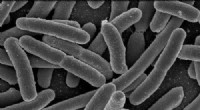
* Parasites: These bacteria rely on a host organism for survival and reproduction. They often cause disease in their host. Examples include the bacteria that cause tuberculosis, Lyme disease, and gonorrhea.
* Bacteria that don't need a host:
* Free-living bacteria: These bacteria are independent and can live and reproduce in various environments like soil, water, and air. They can obtain nutrients from their surroundings and don't require a host. Examples include the bacteria that decompose organic matter in the soil and bacteria used in making yogurt and cheese.
So, it depends on the specific type of bacteria. Some need a host, while others are capable of living and reproducing independently.