Here's a breakdown of the key aspects of bioinvaders:
Introduction: Bioinvaders are not native to the area they are found in. They have been introduced, either accidentally or intentionally, by humans.
Establishment: Once introduced, bioinvaders must be able to survive and reproduce in the new environment. They may outcompete native species for resources or disrupt food webs.
Impact: Bioinvaders can have a significant negative impact on the ecosystem they invade. They can:
* Cause ecological damage: By outcompeting native species, altering habitats, and disrupting food webs.
* Spread diseases: To native species, potentially leading to population decline or extinction.
* Reduce biodiversity: By outcompeting native species, reducing the overall variety of life in an ecosystem.
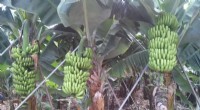
* Cause economic damage: By damaging crops, infrastructure, or impacting tourism.
Examples of Bioinvaders:
* Zebra mussels in the Great Lakes of North America
* Asian carp in the Mississippi River system
* Kudzu in the southeastern United States
* Emerald ash borer in North America
* Cane toads in Australia
Preventing and Controlling Bioinvaders:
It is crucial to prevent the introduction and spread of bioinvaders. Some strategies include:
* Inspections and quarantine: To prevent the introduction of invasive species through trade and travel.
* Early detection and rapid response: To control invasive species before they become widespread.
* Restoration efforts: To restore ecosystems that have been damaged by bioinvaders.
Understanding bioinvaders and their impact is essential for protecting biodiversity and ensuring the health of our ecosystems.