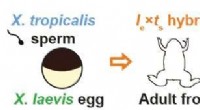
Euploid refers to a cell or organism that has the correct number of chromosomes for its species. This number is typically a multiple of the haploid number (n), which is the number of chromosomes in a gamete (sex cell).
Here's a breakdown:
* Haploid (n): The number of chromosomes in a gamete (e.g., sperm or egg). Humans have a haploid number of 23 chromosomes.
* Diploid (2n): The number of chromosomes in a somatic (body) cell. Humans are diploid, meaning they have two sets of chromosomes (46 total).
* Euploid: An organism or cell with the correct number of chromosomes for its species. This means it can have a haploid (n), diploid (2n), or even a polyploid (3n, 4n, etc.) number of chromosomes, as long as it's a multiple of the haploid number.
Examples of Euploidy:
* Humans: Diploid (2n), with 46 chromosomes.
* Fruit flies: Diploid (2n), with 8 chromosomes.
* Wheat: Hexaploid (6n), with 42 chromosomes.
Euploidy is essential for normal development and function. Cells with an abnormal number of chromosomes (aneuploidy) are often associated with genetic disorders and developmental problems.
In summary: Euploid means having a complete set of chromosomes, with the correct number for the species. This ensures proper gene expression and normal cellular function.