Natural Selection:
* Mechanism: Acts on the existing genetic variation within a population. Organisms with traits better suited to their environment are more likely to survive and reproduce, passing those advantageous traits on to their offspring.
* Molecular Level: Natural selection favors alleles (versions of genes) that provide a survival advantage. These alleles become more common in the population over time. This change in allele frequency is driven by random mutations that arise in the genome.
* Examples: A mutation conferring pesticide resistance in insects, a mutation allowing bacteria to utilize a new food source, or a mutation that leads to camouflage in a predator.
Artificial Selection:
* Mechanism: Humans intentionally select organisms with desirable traits to breed. Humans decide which individuals reproduce, based on specific desired characteristics.
* Molecular Level: Artificial selection focuses on specific genes and alleles that are linked to the desired traits. Humans actively manipulate the breeding process to increase the frequency of these desired alleles in the population.
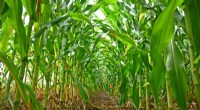
* Examples: Selective breeding of cows for milk production, breeding dogs for specific temperaments and physical features, or breeding crops for increased yield or disease resistance.
Key Differences at the Molecular Level:
* Selection Pressure: Natural selection is driven by environmental pressures, while artificial selection is driven by human preferences.
* Randomness: Natural selection relies on random mutations to introduce new genetic variations. Artificial selection typically involves controlled breeding, which may or may not introduce new mutations.
* Direction: Natural selection can lead to a wide range of adaptations, often unpredictable in direction. Artificial selection is usually directed towards specific, pre-defined traits.
In Summary:
While both processes rely on genetic variation and changes in allele frequencies, their mechanisms and ultimate goals differ. Natural selection is a natural process driven by environmental factors, while artificial selection is a human-driven process with a targeted goal. These differences manifest themselves in the specific molecular changes that occur in each case.