1. Microscopy:
* Early microscopes: The invention of the microscope in the 17th century by Robert Hooke and Antonie van Leeuwenhoek was the first step in understanding the microscopic world. These early microscopes revealed the existence of cells, but their resolution was limited.
* Improved microscopes: The development of light microscopes with higher magnification and resolution allowed for better visualization of cell structures and their internal components.
* Electron microscopy: The invention of the electron microscope in the 20th century revolutionized cell biology. This technique uses electrons instead of light, providing significantly higher resolution and revealing previously unseen details like organelles.
2. Techniques and Tools:
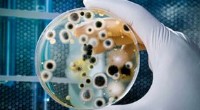
* Cell culture: The ability to grow and manipulate cells outside the body (in vitro) enabled researchers to study cell behavior, growth, and interactions in a controlled environment.
* Biochemical methods: Techniques like electrophoresis, chromatography, and centrifugation allowed scientists to isolate, identify, and analyze specific molecules within cells, leading to the discovery of important cellular components like proteins, lipids, and nucleic acids.
* Genetic tools: The development of techniques like DNA cloning, gene editing, and sequencing allowed scientists to manipulate and study the genetic makeup of cells, providing insights into how genes regulate cellular processes.
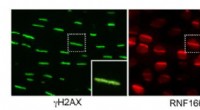
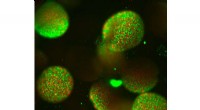
* Molecular imaging: Techniques like fluorescent microscopy and confocal microscopy enabled researchers to visualize specific molecules and structures within living cells, providing dynamic insights into cellular processes.
3. Collaborative Research and Scientific Method:
* Scientific community: The sharing of knowledge and collaboration between scientists around the world has accelerated the pace of discovery.
* Scientific method: The use of rigorous experimental design, data analysis, and peer review has ensured the reliability and validity of research findings.
4. Advancements in Other Fields:
* Biochemistry: Understanding the chemical composition and reactions within cells has been crucial for cell biology.
* Genetics: Unraveling the genetic code and the mechanisms of gene expression has provided essential insights into how cells function and develop.
* Computer science: Computer models and simulations have become essential for understanding complex cellular processes and for designing experiments.
5. Focus on specific areas:
* Cell Signaling: Research into how cells communicate with each other has led to a deeper understanding of processes like development, immunity, and disease.
* Cancer Biology: Understanding the mechanisms behind uncontrolled cell growth has led to new treatments and therapies.
* Neuroscience: Studying the structure and function of nerve cells has yielded significant advances in our understanding of the brain and nervous system.
The Impact:
The knowledge gained from cell biology has led to breakthroughs in medicine, agriculture, and biotechnology. This includes:
* Development of vaccines and antibiotics.
* Understanding and treatment of genetic diseases.
* Production of new crops with improved yields and disease resistance.
* Development of new biomaterials and tissue engineering.
The field of cell biology continues to evolve rapidly, driven by new technologies, techniques, and collaborative efforts. We can expect even more remarkable discoveries and advancements in the future.