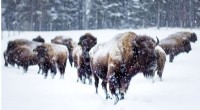
* Low reproductive rate: These organisms produce fewer offspring, so each offspring needs to have a high chance of survival and reproduction to ensure the continuation of the species.
* High investment in offspring: They often invest heavily in their offspring, providing things like extended parental care, larger offspring size, or greater resources. This investment is only worthwhile if the environment is stable enough for the offspring to benefit from it.
* Long lifespan: Slow-reproducing organisms often have longer lifespans, giving them more time to reproduce and ensuring the continuation of their genes. A stable environment makes this long lifespan more likely.
Examples of organisms with slow reproductive strategies:
* Large mammals: Elephants, whales, and primates.
* Birds of prey: Hawks, eagles, and owls.
* Long-lived plants: Trees, cacti, and some orchids.
In contrast, organisms with fast reproductive strategies thrive in unstable or unpredictable environments. Think of:
* Bacteria: Can reproduce very quickly, allowing them to rapidly adapt to changing conditions.
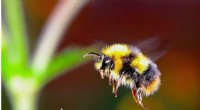
* Insects: Many insects lay numerous eggs, ensuring some will survive even in unpredictable environments.
* Weeds: Rapidly produce seeds, enabling them to spread quickly and take advantage of disturbed areas.