Here's a breakdown of what makes them so special:
What they are:
* Self-contained units: Each cell is a complete, self-sufficient unit, containing everything needed to carry out its own life processes.
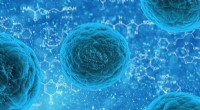
* Enclosed by a membrane: This membrane acts as a barrier, controlling what enters and leaves the cell.
* Contain genetic material (DNA): DNA provides instructions for the cell's structure and function.
* Carry out essential processes: Cells are responsible for metabolism (breaking down food for energy), growth, reproduction, and responding to their environment.
Types of microscopic living cells:
* Prokaryotic cells: These are the simplest type of cell, found in bacteria and archaea. They lack a nucleus and other internal membrane-bound organelles.
* Eukaryotic cells: These are more complex cells, found in plants, animals, fungi, and protists. They have a nucleus that contains their DNA, and other specialized organelles.
Why they are important:
* Foundation of life: All living organisms are made up of one or more cells.
* Diverse functions: Different types of cells perform specialized functions within an organism (e.g., muscle cells for movement, nerve cells for communication).
* Basis for disease: When cells malfunction, it can lead to illness.
Examples of microscopic living cells:
* Bacteria: These single-celled organisms are found everywhere, from our gut to the soil.
* Red blood cells: These cells transport oxygen throughout the body.
* Nerve cells: These cells transmit signals throughout the nervous system.
Understanding microscopic living cells is crucial to understanding all aspects of biology, from the smallest organisms to the most complex ecosystems.