Here's a breakdown:
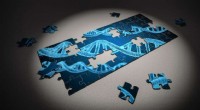
* DNA is the molecule that carries genetic instructions. It's a long, thin strand that needs to be organized and packed tightly to fit inside the nucleus of a cell.
* Chromatin is the complex of DNA and proteins that makes up chromosomes. The proteins help to organize and condense the DNA, making it more manageable.
* Uncondensed chromatin is when the DNA is loosely packed, allowing for access to the genetic information by enzymes and other proteins involved in gene expression.
Think of it like this:
* DNA is like a long thread.
* Chromatin is like a spool that helps organize the thread.
* Uncondensed chromatin is like the thread loosely wound on the spool.
This uncondensed state is crucial for:
* Transcription: The process of making RNA copies from DNA.
* DNA replication: The process of copying the DNA before cell division.
* DNA repair: The process of fixing damaged DNA.
When the cell is about to divide, the chromatin condenses into chromosomes, which are the tightly packed, visible structures that we usually associate with DNA.