1. Detection and Identification:
* Gene expression analysis: Probes can bind to specific mRNA sequences, allowing scientists to measure the level of gene expression in cells or tissues. This is crucial in understanding how genes function and how they are regulated.
* Disease diagnosis: Probes can identify specific DNA sequences associated with certain diseases, like genetic mutations or viral infections, aiding in diagnosis and monitoring.
* Forensic science: DNA probes can be used to match DNA samples from crime scenes to suspects, playing a critical role in criminal investigations.
2. Localization and Visualization:
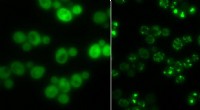
* Fluorescence in situ hybridization (FISH): Probes labeled with fluorescent dyes can be used to locate specific DNA or RNA sequences within chromosomes or cells. This is valuable for studying gene organization, chromosome abnormalities, and cellular processes.
* Microscopy: Probes can be visualized under a microscope, allowing scientists to map the location of specific sequences within cells or tissues.
3. Genotyping and Sequencing:
* Genotyping: Probes can distinguish between different alleles of a gene, allowing for the identification of specific genetic variations.
* DNA sequencing: Probes are used in some DNA sequencing methods to identify and sequence specific regions of DNA.
4. Gene Manipulation and Editing:
* Gene cloning: Probes can be used to identify and isolate specific DNA fragments for cloning purposes.
* Genome editing: Probes can target specific sequences for modification, enabling the correction of genetic defects or the introduction of new genes.
In summary, nucleic acid probes are powerful tools used in a wide range of scientific applications. Their ability to specifically bind to complementary DNA or RNA sequences makes them ideal for detecting, identifying, localizing, and manipulating genetic material.