Mitochondria's role in both plant and animal cells:
* Cellular Respiration: Mitochondria are the site of cellular respiration, the process that breaks down glucose (sugar) in the presence of oxygen to produce energy in the form of ATP (adenosine triphosphate). ATP is the primary energy currency used by cells for various functions like muscle contraction, protein synthesis, and active transport.
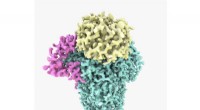
* Oxidative Phosphorylation: This is the final stage of cellular respiration, where electrons are passed through a series of protein complexes in the mitochondrial membrane, generating a proton gradient. This gradient is then used to produce ATP.
* Metabolic Reactions: Besides energy production, mitochondria are involved in other metabolic reactions, such as:
* Amino acid metabolism: Mitochondria are involved in the breakdown and synthesis of amino acids.
* Fatty acid metabolism: They play a role in the breakdown and synthesis of fatty acids.
* Heme synthesis: Mitochondria are involved in the synthesis of heme, a component of hemoglobin.
Additional functions specific to plant cells:
* Photorespiration: In some plant cells, mitochondria participate in photorespiration, a process that helps recover some of the carbon lost during photosynthesis.
* Heat production: In some plants, mitochondria can generate heat, which can be used to attract pollinators or protect against freezing temperatures.
Key points:
* Mitochondria are essential for all eukaryotic cells (cells with a nucleus), both plants and animals.
* They generate energy through cellular respiration.
* They are also involved in various other metabolic processes.
By performing these essential functions, mitochondria play a crucial role in maintaining cell life and enabling organisms to thrive.