* Agricultural runoff: Fertilizers used on farms often contain high levels of phosphorus and nitrogen. When these fertilizers are applied to fields, they can be washed into waterways by rain or irrigation.
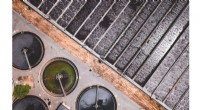
* Wastewater treatment plants: Wastewater treatment plants are designed to remove nutrients from sewage, but they can't always remove them completely. This means that some nutrients can still end up in rivers, lakes, and oceans.
* Industrial discharges: Some industries, such as food processing plants, produce wastewater that contains high levels of nutrients.
* Atmospheric deposition: Nitrogen oxides and ammonia released from burning fossil fuels and other sources can be deposited on land and water, contributing to eutrophication.
* Natural sources: While most eutrophication is human-caused, some can be natural, such as from decaying leaves or bird droppings.
How Eutrophication Occurs:
1. Nutrient Enrichment: The excess nutrients enter the water.
2. Algal Bloom: The nutrients cause an overgrowth of algae, called an algal bloom. This bloom can be so dense that it blocks sunlight from reaching other plants and organisms.
3. Oxygen Depletion: When the algae die, bacteria decompose them, using up a lot of the oxygen in the water. This can create "dead zones" where fish and other organisms can't survive.
4. Water Quality Decline: Eutrophication can lead to:
* Reduced water clarity
* Fish kills
* Changes in aquatic ecosystems
* Increased levels of toxins
In summary, eutrophication is a process that occurs when excess nutrients enter a body of water, leading to a series of negative ecological consequences.