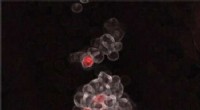
Here are some examples of unicellular organisms:
* Bacteria: These are tiny prokaryotic cells that are found everywhere on Earth.
* Archaea: Another type of prokaryotic cell that often lives in extreme environments.
* Protists: This is a diverse group of eukaryotic organisms that can be found in water and soil. Examples include amoebas, paramecia, and algae.
* Yeast: A type of fungus that is often used in baking and brewing.
These organisms are incredibly diverse and play important roles in the environment. They are responsible for everything from producing oxygen to decomposing organic matter.