1. The Early Eukaryotic Cell:
* Early eukaryotes were likely simple, single-celled organisms with a nucleus, but lacking the complex organelles we see today.
2. The Engulfment:
* These early eukaryotes engulfed prokaryotic cells, either through phagocytosis (engulfing for food) or by some other mechanism.
* Instead of being digested, these engulfed prokaryotes survived within the larger cell, forming a symbiotic relationship.
3. Symbiosis:
* The engulfed prokaryotes provided benefits to the host cell. This could have been:
* Energy production: The engulfed prokaryote, like a primitive bacterium, could have provided energy via respiration or photosynthesis.
* Other functions: The engulfed prokaryote might have contributed to other cellular processes like detoxification or nutrient processing.
4. Evolution:
* Over time, the engulfed prokaryotes evolved into the organelles we know today.
* Mitochondria: These evolved from aerobic bacteria capable of respiration, providing energy to the cell.
* Chloroplasts: These originated from photosynthetic bacteria, enabling plants to perform photosynthesis and produce food.
5. Evidence:
* Mitochondria and chloroplasts have their own DNA: This DNA is distinct from the host cell's DNA and more similar to prokaryotic DNA.
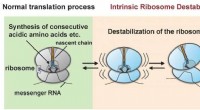
* Mitochondria and chloroplasts have their own ribosomes: These ribosomes are also similar to those found in prokaryotes.
* These organelles reproduce independently: They divide by a process similar to prokaryotic fission.
In summary:
Endosymbiosis is a captivating story of how prokaryotes, through a series of symbiotic relationships, contributed to the formation of complex eukaryotic cells. This theory helps us understand the origins of vital organelles like mitochondria and chloroplasts, which are essential for the function and diversity of life on Earth.