1. Similarities in appearance and lifestyle:
* Lack of movement: Both fungi and plants are largely immobile, growing in place. This was a key characteristic that led to their classification together.
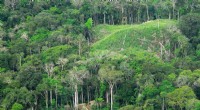
* Similar habitat: Fungi and plants are often found in similar environments like forests and meadows, with many growing on land.
* Similar growth forms: Some fungi, like mushrooms, have a distinct stalk and cap structure that resembles the structure of some plants.
* Sessile lifestyle: Both fungi and plants are rooted in their environment and do not move around actively.
2. Limited understanding of fungal biology:
* Cell walls: Both fungi and plants have cell walls, albeit composed of different materials (chitin in fungi and cellulose in plants). This shared feature reinforced the idea of their similarity.
* Lack of detailed research: Early studies focused primarily on morphology (external form) and lacked the molecular and biochemical tools to understand the differences in their internal structure and function.
3. The focus on photosynthetic organisms:
* Traditional classification: Plants were traditionally defined as photosynthetic organisms, meaning they could produce their own food using sunlight. This definition excluded fungi, which are heterotrophic, meaning they obtain nutrients by consuming other organisms.
However, as our understanding of biology progressed, it became clear that fungi were fundamentally different from plants in many ways:
* Nutritional mode: Fungi are heterotrophic, unlike plants that are autotrophic. This means fungi rely on external sources of organic matter for food.
* Cell structure: While both have cell walls, fungal cell walls are composed of chitin, not cellulose.
* Molecular studies: Molecular data revealed significant genetic and biochemical differences between fungi and plants, solidifying their distinct evolutionary lineages.
The modern classification system recognizes fungi as a separate kingdom, distinct from plants, animals, and bacteria. This separation highlights the unique and fascinating features of fungi and their important ecological roles.