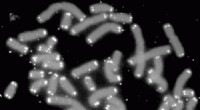
* Genetic Blueprint: Chromosomes are made up of DNA, which carries the instructions for building and maintaining an organism. This includes everything from physical traits like eye color to complex biological processes.
* Inheritance: When a cell divides, chromosomes are duplicated and passed on to the daughter cells. This ensures that each new cell receives a complete set of genetic instructions, allowing for the continuation of life.
* Protein Production: Genes, which are segments of DNA on chromosomes, contain the code for making proteins. Proteins perform a wide variety of functions in the body, from building tissues to regulating chemical reactions.
* Cell Function and Development: The genetic information on chromosomes plays a crucial role in regulating cell growth, differentiation, and overall development of an organism.
* Evolutionary Adaptation: Chromosomes allow for genetic variation through mutations, which can be beneficial or harmful. This variation drives evolution and allows organisms to adapt to changing environments.
In summary, chromosomes are essential for life because they hold the blueprint for building and maintaining an organism, ensuring the passing of genetic information, and driving the processes that sustain life.