1. Botany: The study of plants, including their structure, growth, reproduction, and chemical processes.
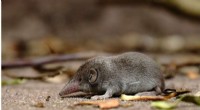
2. Zoology: The study of animals, encompassing their diversity, anatomy, physiology, behavior, and ecology.
3. Microbiology: The study of microscopic organisms, such as bacteria, viruses, fungi, and protozoa, their roles in disease, and their applications in biotechnology.
4. Ecology: The study of the interactions between organisms and their environment, including population dynamics, ecosystems, and biodiversity.
5. Genetics: The study of genes, heredity, and genetic variation, including the molecular mechanisms of inheritance and the role of genes in disease.
6. Biochemistry: The study of the chemical processes and substances that occur within living organisms, including metabolism, enzyme activity, and the structure of biomolecules.
7. Physiology: The study of the functions of living organisms and their parts, including organ systems, cell processes, and homeostasis.
8. Immunology: The study of the immune system and its responses to pathogens, including the development of vaccines and treatments for diseases.
9. Neuroscience: The study of the nervous system, including the brain, spinal cord, and nerves, and how they control behavior, cognition, and emotion.
10. Evolutionary Biology: The study of the origin and diversification of life on Earth, including natural selection, adaptation, and speciation.