1. Climate:
* Temperature: Biomes like tundra and taiga have very different temperatures, with tundra being extremely cold and taiga having cooler temperatures.
* Rainfall: Rainforests are defined by high rainfall, while deserts are characterized by very low rainfall.
2. Vegetation:
* Plant Adaptations: Different biomes have plants adapted to specific conditions. Cacti in deserts have shallow roots to absorb infrequent rainfall, while trees in rainforests have large leaves to capture maximum sunlight.
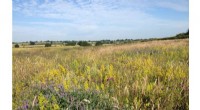
* Dominant Plant Life: The presence of specific trees or grasses defines biomes. For example, coniferous forests are dominated by pine trees, while grasslands are dominated by grasses.
3. Animal Life:
* Adaptations: Animals also adapt to their specific biomes. Polar bears in the Arctic have thick fur for insulation, while desert animals like camels have adapted to conserve water.
* Species Diversity: The variety of animal species in each biome varies. Rainforests have the highest biodiversity, while deserts have a lower diversity.
Example:
* Tropical Rainforest: This biome has a hot, humid climate, receives heavy rainfall, and is characterized by tall trees with dense canopies. It supports a wide variety of animal life.
* Desert: Deserts are defined by their arid climate with very low rainfall. Plants are adapted to survive with limited water, and animals have specific adaptations to conserve water.
In summary:
Different biomes have distinct names because they represent unique combinations of climate, vegetation, and animal life. These factors create specific ecological niches, resulting in a diverse array of biomes across the planet.