* Structure: Some are prokaryotic (lacking a nucleus) like bacteria and archaea, while others are eukaryotic (with a nucleus) like protozoa and some algae. This difference in cellular organization leads to significant variations in their internal structures and functions.
* Metabolism: One-celled organisms employ a wide range of metabolic strategies, including photosynthesis, chemosynthesis, heterotrophy (feeding on other organisms), and even parasitism. This diversity reflects their adaptation to different environmental niches.
* Reproduction: They can reproduce asexually through processes like binary fission or budding, or sexually through conjugation or meiosis.
* Motility: Some are stationary, while others possess flagella, cilia, or other mechanisms for movement.
* Habitat: One-celled organisms can be found in virtually every environment on Earth, from extreme environments like hot springs and deep-sea vents to the human gut.
Examples of diversity:
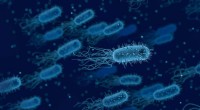
* Bacteria: Immensely diverse, with various shapes, sizes, and metabolic capabilities.
* Algae: Can range from single-celled organisms like Chlamydomonas to complex multicellular forms like kelp.
* Protozoa: Includes amoeba, paramecia, and other organisms with diverse feeding and movement strategies.
Therefore, while all one-celled organisms share the trait of being single-celled, they are incredibly diverse in their structure, metabolism, reproduction, motility, and habitats.