Binary Fission:
1. Replication: The bacterium's single circular chromosome replicates, creating two identical copies.
2. Cell Growth: The cell elongates, and the two chromosomes move to opposite ends of the cell.
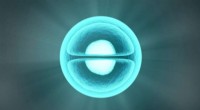
3. Cell Division: The cell membrane and cell wall grow inward, eventually dividing the cell into two identical daughter cells, each with a copy of the original chromosome.
Key Features of Binary Fission:
* Asexual Reproduction: It doesn't involve the fusion of gametes (sex cells).
* Rapid Process: Under favorable conditions, binary fission can happen very quickly, allowing for rapid bacterial population growth.
* Genetic Variation: While binary fission primarily produces identical offspring, genetic variation can arise through:
* Mutations: Random changes in the DNA sequence.
* Horizontal Gene Transfer: The exchange of genetic material between bacteria. This can involve processes like conjugation, transformation, and transduction.
Other Reproduction Methods (Rare):
* Budding: In some bacteria, a small outgrowth (bud) forms on the parent cell, which eventually separates to form a new daughter cell.
* Fragmentation: Some bacteria can break into fragments, each capable of developing into a new bacterium.
In summary, binary fission is the primary and most common method of reproduction for eubacteria, allowing for rapid and efficient population expansion.