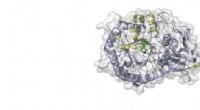
Here's how it works:
1. Recognition: RNA polymerase binds to a specific region of DNA called the promoter located at the beginning of a gene.
2. Unwinding: RNA polymerase unwinds the DNA double helix, separating the two strands.
3. Transcription: RNA polymerase uses one strand of DNA as a template to build a complementary strand of RNA, called messenger RNA (mRNA). This process is called transcription.
4. Termination: RNA polymerase continues along the DNA template until it reaches a specific sequence called the terminator. This signals the end of transcription, and the RNA polymerase detaches from the DNA.
In essence, RNA polymerase acts as a molecular machine that reads the DNA sequence and uses it to create a copy in the form of mRNA. This mRNA molecule then carries the genetic information from the DNA to the ribosomes, where it is translated into proteins.