Here are some examples:
* Bacteria: These are tiny, single-celled organisms found everywhere, from soil to your gut.
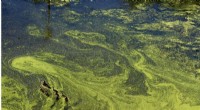
* Protists: This is a diverse group that includes amoebas, algae, and paramecia. They have more complex structures than bacteria.
* Yeast: A type of fungus that is also single-celled.
Unicellular organisms are incredibly diverse and perform all the functions of life within a single cell. They are vital for many ecosystems and play a crucial role in things like food chains and decomposition.