Here's a breakdown of what makes up a phenotype:
1. Genotype:
* This is the underlying genetic makeup of an organism, represented by the combination of alleles (different forms of a gene) it possesses.
* Your genotype provides the instructions for building and maintaining your body, but the environment also plays a role in how those instructions are carried out.
2. Environmental Factors:
* The environment influences how genes are expressed.
* For example, identical twins (sharing the same genotype) may have slightly different phenotypes due to differing environmental exposures.
* Factors like nutrition, sunlight, temperature, and even social interactions can influence phenotype.
3. Epigenetics:
* This refers to changes in gene expression that don't involve alterations in the DNA sequence itself.
* Environmental factors can trigger epigenetic modifications, like attaching chemical tags to DNA, which can affect how genes are read and used.
Here's a simple analogy:
Think of a recipe for a cake (the genotype). You can bake the cake with the same recipe but change the oven temperature (environmental factor) or add different ingredients (epigenetic modifications). These changes will result in slightly different cakes (phenotypes).
Examples of Phenotypes:
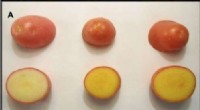
* Physical Traits: Eye color, hair color, height, skin pigmentation
* Behavioral Traits: Personality, aggression, mating behaviors
* Disease Susceptibility: Genetic predisposition to certain diseases
Key Takeaway:
The phenotype is a dynamic interplay between the organism's genotype, environment, and epigenetic modifications. Understanding these factors helps us unravel the complex relationship between genes and observable traits.