Here's a breakdown:
* Autotrophs: Producers are also known as autotrophs because they can produce their own food.
* Photosynthesis: The most common way producers make food is through photosynthesis. This process uses sunlight, water, and carbon dioxide to create sugars (like glucose) for energy and oxygen as a byproduct.
* Chemosynthesis: Some producers, particularly bacteria, use chemosynthesis. They get energy from inorganic chemical reactions, like the oxidation of hydrogen sulfide.
* Base of the food chain: Producers form the foundation of the food chain. They are consumed by herbivores, which in turn are consumed by carnivores and omnivores. Without producers, there wouldn't be enough energy to support all other life on Earth.
Examples of producers:
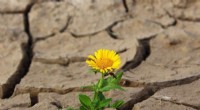
* Plants: Most land plants are producers. They use photosynthesis to create food from sunlight, water, and carbon dioxide.
* Algae: These aquatic organisms are also producers. They contribute significantly to the oxygen in the atmosphere through photosynthesis.
* Cyanobacteria: These single-celled organisms are also photosynthetic and are very important in aquatic environments.
* Chemosynthetic bacteria: Found in extreme environments like hydrothermal vents, these bacteria use inorganic chemicals for energy.
Producers are crucial for maintaining the balance of life on Earth. They provide the food and oxygen that sustain all other living organisms.