Healthcare:
* Disease Diagnosis and Treatment: Biotechnology enables faster and more accurate disease diagnosis through techniques like PCR (polymerase chain reaction), gene sequencing, and antibody-based tests. It also facilitates the development of novel therapies like gene therapy, immunotherapy, and personalized medicine.
* Drug Development: Biotechnology plays a crucial role in discovering new drug targets, developing novel drugs, and producing therapeutic proteins like insulin and growth hormones. It also enhances drug efficacy and safety through targeted delivery systems.
* Vaccines and Antibiotics: Biotechnology has revolutionized vaccine development by enabling the production of safer and more effective vaccines. It also contributes to the development of new antibiotics to combat antibiotic resistance.
Agriculture:
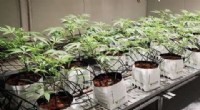
* Crop Improvement: Biotechnology enhances crop yields and resistance to pests, diseases, and harsh environmental conditions through techniques like genetic engineering and marker-assisted selection.
* Food Production: Biotechnology facilitates the production of food with improved nutritional value, increased shelf life, and enhanced resistance to spoilage.
* Sustainable Agriculture: Biotechnology promotes sustainable agricultural practices by reducing pesticide and herbicide use, enhancing nutrient utilization, and minimizing water consumption.
Environmental Protection:
* Bioremediation: Biotechnology utilizes microorganisms to clean up polluted environments by breaking down pollutants like oil spills and industrial waste.
* Biofuels: Biotechnology contributes to the production of biofuels like ethanol and biodiesel, which are renewable energy sources.
* Pollution Monitoring: Biotechnology provides tools for detecting and monitoring environmental pollutants, aiding in environmental protection and management.
Other Applications:
* Forensics: Biotechnology is used in forensics to identify individuals through DNA profiling and analyze crime scenes.
* Industrial Biotechnology: Biotechnology is used in various industries like paper, textile, and chemical industries for developing new materials, processes, and products.
* Biotechnology for the Developing World: Biotechnology plays a crucial role in addressing challenges faced by developing countries, such as improving food security, controlling infectious diseases, and promoting sustainable development.
Benefits of Biotechnology:
* Improved Health: Longer life expectancy, reduced disease burden, and access to better healthcare.
* Increased Food Production: Greater food security, reduced food prices, and improved nutrition.
* Environmental Protection: Reduced pollution, improved resource management, and sustainable development.
* Economic Growth: New industries, jobs, and technological advancements.
Challenges and Ethical Considerations:
* Safety Concerns: Potential risks associated with genetically modified organisms (GMOs) and gene therapy.
* Ethical Concerns: Issues related to genetic manipulation, privacy, and the equitable distribution of benefits.
* Regulation and Oversight: Ensuring responsible and ethical use of biotechnology.
In conclusion, biotechnology holds immense potential to address global challenges and improve human well-being. However, it's essential to address ethical concerns and ensure responsible development and application of this powerful technology.