Genetic Factors:
* Mutations: Changes in the DNA sequence can introduce new traits or alter existing ones. These mutations can be spontaneous or induced by environmental factors like radiation.
* Gene Flow: The movement of genes between populations through migration and interbreeding can introduce new genetic variations.
* Sexual Reproduction: The combination of genetic material from two parents during sexual reproduction leads to offspring with unique combinations of genes, resulting in variation.
* Recombination: During meiosis (cell division for gametes), chromosomes exchange genetic material, further shuffling existing genes and creating new combinations.
* Independent Assortment: During meiosis, chromosomes are randomly distributed into gametes, leading to even greater genetic variation among offspring.
Environmental Factors:
* Environmental Influences: Environmental conditions like temperature, food availability, and disease can influence gene expression and phenotype (observable traits) without altering the underlying DNA sequence.
* Epigenetics: Chemical modifications to DNA that alter gene expression without changing the underlying DNA sequence can also contribute to variation. These modifications can be influenced by environmental factors and can be passed down to offspring.
* Developmental Plasticity: Some organisms can adjust their development in response to environmental cues, leading to phenotypic variation.
Other Factors:
* Random Chance: Even with the same genetic makeup, chance plays a role in which alleles are passed down to offspring, further contributing to variation.
* Natural Selection: The process of natural selection favors individuals with traits that increase their survival and reproductive success, leading to the spread of advantageous traits and therefore variation within a population.
Examples:
* Human skin color: Variation in skin color is influenced by multiple genes and is partly influenced by environmental factors like sunlight exposure.
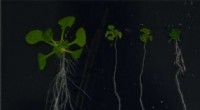
* Plant height: Plant height is influenced by genes and environmental factors like water availability and soil nutrients.
* Bird beak size: Darwin's finches demonstrate how environmental factors like food availability can lead to variation in beak size within a species.
It's important to note that variation within a species is the raw material for evolution. Without genetic and environmental variation, populations would be less adaptable to changing conditions and less likely to survive.