Legumes: These are incredibly rich in protein!
* Beans: Kidney, black, pinto, soybeans, etc.
* Peas: Green peas, split peas, chickpeas
* Lentils: Brown, red, green
Grains: Grains are a good source of protein, especially when combined with legumes.
* Wheat: Whole wheat, spelt, durum
* Rice: Brown rice, basmati rice
* Oats: Rolled oats, oat flour
* Quinoa: A complete protein, meaning it contains all nine essential amino acids
* Amaranth: Another complete protein source
Nuts and Seeds: These are high in protein and healthy fats.
* Almonds: One of the highest protein nuts
* Cashews: Another protein-rich nut
* Pumpkin seeds: Packed with protein and other nutrients
* Sunflower seeds: A good source of protein and vitamin E
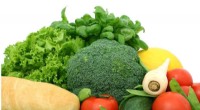
Other Vegetables: While not as high in protein as legumes or grains, many vegetables still offer a decent amount.
* Spinach: A good source of protein and iron
* Broccoli: Rich in protein and fiber
* Asparagus: Provides protein and antioxidants
* Sweet Potatoes: A source of protein and beta-carotene
Fruits: While fruits generally have less protein than other plant sources, some are worth noting.
* Avocados: A good source of healthy fats and protein
Important Considerations:
* Complete vs. Incomplete Proteins: Legumes and grains contain incomplete proteins, meaning they lack one or more essential amino acids. Combining different plant sources can help create a complete protein profile.
* Protein Content: The protein content of plants varies significantly, so check the nutritional labels on food products for specific information.
* Variety: It's important to include a variety of plant sources in your diet to ensure you're getting all the nutrients you need.
By incorporating a variety of these plant-based protein sources into your diet, you can enjoy a healthy and delicious way to meet your protein needs.