Internal Sources:
* DNA: This is the cell's blueprint, containing instructions for building proteins and other essential molecules. These instructions are transcribed into RNA, which then guides the synthesis of proteins.
* RNA: This molecule carries instructions from DNA to the ribosomes, where proteins are made. Different types of RNA play specific roles in protein synthesis and other cellular processes.
* Proteins: These molecules perform a wide range of functions within the cell, including acting as enzymes, structural components, and signaling molecules. They can influence cellular processes by interacting with other proteins, DNA, or RNA.
External Sources:
* Signal molecules: These molecules are released by other cells or the environment and bind to receptors on the cell surface. This binding triggers signaling pathways that lead to changes in gene expression, cell behavior, and other cellular processes.
* Environmental cues: The cell senses changes in its environment, such as temperature, pH, nutrient availability, and the presence of toxic substances. These cues trigger responses to ensure cell survival and optimal functioning.
* Physical contact: Cells can communicate with each other through direct contact, such as through gap junctions or cell-cell adhesion molecules. This allows for the transfer of information and coordinated responses.
Here are some specific examples:
* A hormone like insulin: This signal molecule binds to receptors on target cells, triggering the uptake of glucose from the bloodstream.
* A nutrient like glucose: This triggers the activation of metabolic pathways within the cell, leading to energy production.
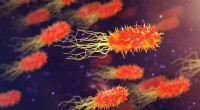
* A toxin like a bacterial endotoxin: This activates immune responses, leading to the production of inflammatory mediators.
Ultimately, the information that a cell receives dictates its behavior, influencing processes like:
* Growth and division: Information about nutrients, growth factors, and DNA integrity determines whether a cell divides or remains quiescent.
* Differentiation: Signals from neighboring cells and the environment guide a cell to specialize into a specific type, such as a muscle cell or a nerve cell.
* Survival and death: Information about stress, damage, and developmental signals determines whether a cell survives or undergoes programmed cell death (apoptosis).
Understanding how cells receive and interpret information is crucial for understanding all aspects of biology, from development to disease.