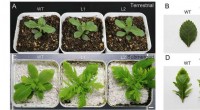
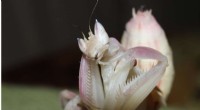
1. Variation: Within any population of organisms, there's natural variation. Individuals will have slightly different traits due to genetic differences. These variations can be small, like a slightly different beak shape in birds, or large, like a new color pattern in an insect.
2. Competition: Organisms face constant competition for resources: food, water, shelter, mates, and even just space to live.
3. Survival and Reproduction: Organisms with traits that make them better suited to their environment are more likely to survive, find mates, and reproduce. They pass on their advantageous traits to their offspring.
4. Differential Reproduction: Individuals with less favorable traits are less likely to survive and reproduce. Over time, their genes become less common in the population.
5. Adaptation: Over many generations, this process of differential reproduction leads to a gradual shift in the traits of the population. Those traits that provide an advantage become more common, while those that are disadvantageous become rarer. This is called adaptation.
In essence, natural selection is a process of "survival of the fittest," but not in the traditional sense. It's about who leaves the most offspring, not necessarily who is the strongest or smartest.
Here are some key points to remember about natural selection:
* It acts on existing variations: Natural selection doesn't create new traits, it selects for traits that already exist within a population.
* It is a gradual process: Evolution takes place over many generations.
* It is not goal-oriented: Natural selection doesn't have a specific plan or end goal. It simply favors traits that increase an organism's chances of surviving and reproducing in its current environment.
* It is a powerful force: Over time, natural selection can lead to significant changes in populations, creating new species and driving the evolution of life on Earth.
By understanding natural selection, we can gain valuable insights into the amazing diversity of life on our planet and appreciate the incredible power of evolution.