1. Genetic Engineering: This involves manipulating the genetic makeup of organisms to introduce desirable traits or eliminate undesirable ones. Examples include:
* Genetically Modified Organisms (GMOs): Crops engineered for pest resistance, herbicide tolerance, or increased nutrient content.
* Gene Therapy: Using genes to treat or prevent diseases by replacing faulty genes or introducing new genes.
2. Biopharmaceuticals: Using living organisms or their components to produce therapeutic drugs and vaccines. Examples include:
* Insulin: Produced by genetically engineered bacteria for treating diabetes.
* Monoclonal Antibodies: Used for targeted therapy in cancer treatment and other diseases.
3. Bioremediation: Utilizing microorganisms to clean up environmental pollutants. Examples include:
* Oil Spill Cleanup: Bacteria that break down hydrocarbons in oil spills.
* Wastewater Treatment: Microorganisms that degrade organic matter in wastewater.
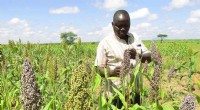
4. Agricultural Biotechnology: Improving crop yields, pest resistance, and nutritional content through genetic modification and other techniques. Examples include:
* Golden Rice: Genetically modified rice fortified with Vitamin A.
* Herbicide-Resistant Crops: Crops engineered to tolerate herbicides, simplifying weed control.
5. Diagnostic Biotechnology: Developing tools and techniques for detecting and diagnosing diseases. Examples include:
* PCR (Polymerase Chain Reaction): Amplifying DNA for disease diagnosis.
* ELISA (Enzyme-Linked Immunosorbent Assay): Detecting the presence of antibodies or antigens in biological samples.