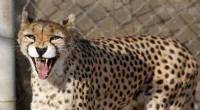
1. Variation: Individuals within a population exhibit variation in their traits. This variation can be due to genetic differences, environmental factors, or a combination of both.
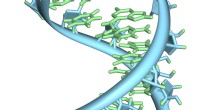
2. Inheritance: These variations can be inherited by offspring. This means that traits are passed down from parents to their children, influencing the characteristics of the next generation.
3. Selection: The environment selects for certain traits that are beneficial for survival and reproduction. This means that individuals with traits that make them better adapted to their environment are more likely to survive and produce offspring.
4. Time: Evolution is a gradual process that occurs over long periods of time. The accumulation of small changes over many generations can lead to significant evolutionary changes.
These four principles, together known as natural selection, drive the process of evolution. It's important to note that these principles operate together, and they are interconnected.