Basic Functions:
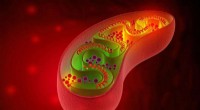
* Metabolism: Cells carry out the chemical reactions necessary for life, including breaking down nutrients for energy (catabolism) and building complex molecules (anabolism).
* Growth: Cells grow and increase in size.
* Reproduction: Cells divide to produce more cells, ensuring the continuation of life.
* Homeostasis: Cells maintain a stable internal environment, despite external changes.
* Responsiveness: Cells respond to stimuli from their environment.
Specialized Functions:
Cells differentiate to perform specific functions within an organism. This specialization is based on the expression of specific genes and the production of specialized proteins. Here are examples of specialized cells and their functions:
* Nerve cells: Conduct electrical impulses to transmit information throughout the body.
* Muscle cells: Contract to generate movement.
* Red blood cells: Transport oxygen throughout the body.
* White blood cells: Fight off infections.
* Epithelial cells: Form protective layers that cover surfaces like the skin.
* Connective tissue cells: Provide support and structure to the body.
* Plant cells: Perform photosynthesis to produce food, provide structural support, and store water and nutrients.
In summary, cells are specified to perform a vast array of functions that are essential for the survival and functioning of all living organisms. Their ability to specialize allows for the complex organization and diversity of life on Earth.