Here are some examples:
* Bacteria: Many types of bacteria are anaerobic, including those found in our gut, soil, and even in extreme environments like deep sea vents.
* Yeast: These single-celled fungi are responsible for fermentation, a process that produces alcohol and carbon dioxide.
* Some parasites: Certain parasites, like tapeworms, can survive in environments with limited oxygen.
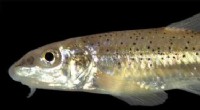
* Some animals: Some animals, like certain types of fish and worms, can survive for short periods without oxygen.
These organisms use a process called anaerobic respiration to generate energy from food. This process does not use oxygen, but instead uses other molecules like nitrates, sulfates, or even organic molecules as electron acceptors.
Here are some examples of anaerobic respiration:
* Fermentation: This process is used by yeast and some bacteria to produce alcohol, lactic acid, or other byproducts.
* Sulfate reduction: Some bacteria use sulfate as an electron acceptor, producing hydrogen sulfide as a byproduct.
* Methane production: Certain bacteria use carbon dioxide as an electron acceptor and produce methane as a byproduct.
It's important to note that anaerobic respiration is generally less efficient than aerobic respiration (which uses oxygen). As a result, anaerobic organisms typically grow and reproduce more slowly than aerobic organisms.