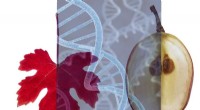
* DNA: The blueprint of life, DNA contains the instructions for building and maintaining an organism. It's organized into genes, which are segments of DNA that code for specific traits.
* Genes: Each gene contains instructions for a particular protein or function. These proteins contribute to our physical characteristics, like eye color, height, and susceptibility to certain diseases.
* Chromosomes: DNA is packaged into structures called chromosomes. Humans have 23 pairs of chromosomes, with one chromosome from each pair inherited from each parent.
* Inheritance: The process of passing genes from parents to offspring. This involves the combination of genetic material from both parents during fertilization.
* Mutations: Changes in the DNA sequence can lead to variations in traits. Some mutations can be beneficial, while others can be harmful.
* Environment: While genetics plays a significant role in determining our traits, the environment also influences their development. Factors like diet, lifestyle, and exposure to toxins can impact how our genes are expressed.
In summary, genetics is a complex interplay of DNA, genes, chromosomes, inheritance, mutations, and environmental factors that determine our traits. It's not a single entity "responsible" for it, but rather a combination of these elements working together.