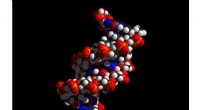
1. Cytoskeleton: This intricate network of protein filaments provides structural support and helps maintain the cell's shape. It's like the cell's internal scaffolding. There are three main types of filaments:
* Microtubules: These are hollow tubes made of tubulin protein. They provide rigidity and help with movement of organelles and chromosomes during cell division.
* Microfilaments: These are thin, solid fibers made of actin protein. They play a role in cell movement, contraction, and maintaining the shape of the cell.
* Intermediate filaments: These are rope-like fibers made of various proteins. They provide structural support and help connect cells to each other.
2. Cell Wall (in plant cells): This rigid outer layer, composed of cellulose, provides significant structural support and helps maintain the plant cell's shape.
3. Turgor Pressure (in plant cells): The pressure of the cell's internal fluids against the cell wall helps maintain the cell's shape and rigidity.
4. Extracellular Matrix (in animal cells): This network of proteins and carbohydrates surrounding animal cells provides structural support, helps cells adhere to each other, and influences cell behavior.
5. Internal pressure: The pressure of the cell's internal contents against the cell membrane also contributes to maintaining its shape.
The specific structures and mechanisms responsible for maintaining a cell's shape vary depending on the type of cell and its function. For example, muscle cells require a more flexible structure to allow for contraction, while bone cells need rigid structures to provide support.