Simplified Representations:
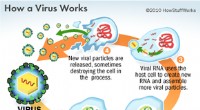
* Diagram: A basic diagram showing the major components of a cell, such as the nucleus, cytoplasm, cell membrane, and organelles. This is a good starting point for understanding the basic structure of a cell.
* Analogy: Comparing a cell to a factory or city, highlighting how different parts contribute to the overall function. This can be helpful for visual learners and for explaining complex processes in a simpler way.
* Model: A 3D model made of clay, foam, or other materials can be used to visualize the cell's structure and how the different components interact.
More Detailed Representations:
* Microscopic Images: Electron micrographs or light micrographs can show the detailed structure of cells and their components, providing a realistic view.
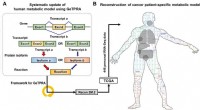
* Computer Models: Computer simulations can depict cell behavior, processes, and interactions with other cells, offering a dynamic and interactive way to understand cellular functions.
* Animation: Animated videos can illustrate complex cellular processes, such as protein synthesis or DNA replication, in a clear and engaging manner.
Specific Examples:
* For a biology textbook: A labeled diagram with descriptions of each component.
* For a science fair project: A 3D model made from everyday materials.
* For a research paper: An electron micrograph of a specific cell type.
Ultimately, the best way to represent a cell depends on:
* The audience: What is their level of understanding and prior knowledge?
* The purpose: What specific information do you want to convey?
* The resources available: What materials and tools do you have access to?
Choosing the right representation will help you effectively communicate your message about the cell.