This is a fascinating question! Building an organism from a single cell is essentially what happens during development, but it's a process that's incredibly intricate and complex. Here's a simplified overview of the steps involved:
1. Cell Division and Differentiation:
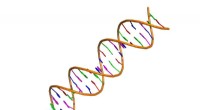
* Mitosis: The single cell (zygote) undergoes rapid division, producing many identical cells. This is like copying the blueprint for the organism multiple times.
* Differentiation: These cells begin to specialize, taking on different forms and functions. Some become muscle cells, some become nerve cells, others become skin cells, etc. This is like assigning specific roles to different copies of the blueprint. This process is guided by complex genetic programming and environmental cues.
2. Tissue Formation:
* Similar cells come together: Cells with similar functions group together to form tissues. For example, muscle cells form muscle tissue, nerve cells form nervous tissue, and so on. This is like grouping similar building blocks into specific components of the structure.
3. Organ Development:
* Tissues work together: Different tissues work together to form organs. For example, muscle, nervous, and connective tissues come together to form the heart. This is like assembling those components into functional systems within the organism.
4. Organ System Formation:
* Organs cooperate: Organs work together as organ systems to perform complex functions. For example, the digestive system includes organs like the stomach, intestines, and liver, all working together to break down food and absorb nutrients. This is like connecting those systems to create a functional whole, allowing the organism to survive and thrive.
5. Growth and Maturation:
* Continued development: The organism continues to grow and mature as the cells divide and differentiate further, and the organ systems become more complex. This is like refining and expanding the organism over time, adjusting its design based on interactions with its environment.
6. Homeostasis and Regulation:
* Maintaining balance: The organism needs to maintain a stable internal environment, despite external changes. This is achieved through complex feedback mechanisms that control temperature, blood sugar levels, and other vital factors. This is like the organism constantly adjusting itself to ensure its continued functionality.
Building an Organism - A Giant Puzzle:
Think of building an organism as solving a giant puzzle. You start with one piece (the single cell) and need to connect it to thousands, then millions of other pieces (cells, tissues, organs). Each piece has a specific shape and function, and their arrangement and interactions create a complex, self-sustaining entity.
It's Important to Note:
* This description is a simplified overview. The actual process of development is incredibly intricate and involves a complex interplay of genes, proteins, and environmental signals.
* There are many different types of organisms, and their development can vary significantly.
* Researchers are still uncovering the intricacies of development and continue to find new and exciting insights into the complex processes involved.
This is a fascinating and challenging area of biology, and understanding how a single cell can develop into a complex organism is a key goal of scientific research.