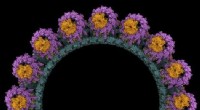
1. The Viral Invasion:
* Attachment: A virus, with its protein coat (capsid) and genetic material (DNA or RNA), encounters a compatible host cell. It binds to specific receptors on the cell's surface.
* Entry: The virus, depending on its type, may then either fuse with the cell membrane, enter through endocytosis, or inject its genetic material directly.
2. Hijacking the Cell's Machinery:
* Replication: Once inside, the virus uses the host cell's machinery (ribosomes, enzymes, etc.) to replicate its own genetic material.
* Protein Synthesis: The viral DNA or RNA instructs the cell to produce viral proteins, which form new capsids and other components.
3. Assembly and Release:
* Assembly: New viral components self-assemble into new virus particles.
* Release: The newly formed viruses are released from the cell. This can happen through:
* Lysis: The cell bursts open, releasing many viruses (often causing cell death).
* Budding: Viruses bud out of the cell membrane, acquiring an envelope. This can be less damaging to the cell, allowing it to survive and continue producing more viruses.
Why a "Virus Factory"?:
* The virus doesn't have its own machinery. It relies completely on the host cell's resources for survival and replication.
* The virus's goal is to reproduce. This means making as many copies of itself as possible, leading to a "factory" of new viruses.
Important Points:
* Not all viruses are equally harmful. Some cause mild infections, while others are deadly.
* The immune system can fight viral infections. White blood cells can destroy infected cells and produce antibodies that neutralize viruses.
* Viruses can evolve. This is a significant concern as it can make them more resistant to medications and more dangerous to humans.
In conclusion: A virus doesn't force a cell into becoming a "factory" in the traditional sense. It takes control of the cell's internal processes, using its machinery to replicate itself and spread. This hijacking can lead to cell death, disease, or even long-term consequences for the host.