1. Domain: The broadest category, encompassing the largest groups of organisms. There are three domains: Bacteria, Archaea, and Eukarya.
2. Kingdom: Within each domain, organisms are further classified into kingdoms. The five traditional kingdoms are:
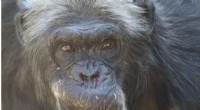
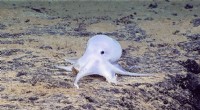
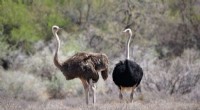
* Animalia: Multicellular, heterotrophic (meaning they get their food from other organisms), and mobile.
* Plantae: Multicellular, autotrophic (meaning they make their own food through photosynthesis), and mostly immobile.
* Fungi: Heterotrophic organisms that obtain nutrients by absorbing them from their surroundings.
* Protista: A diverse group of mostly single-celled organisms that don't fit into the other kingdoms.
* Monera: Includes bacteria and archaea, which are single-celled organisms without a nucleus.
3. Phylum: Each kingdom is divided into phyla, which are further divided into classes, orders, families, genera, and species.
How do we know if something is a plant or animal?
* Mode of nutrition: Animals are heterotrophic and obtain their food by consuming other organisms. Plants are autotrophic and make their own food through photosynthesis.
* Cell structure: Plant cells have chloroplasts (for photosynthesis) and a cell wall made of cellulose. Animal cells lack both of these structures.
* Movement: Animals are generally mobile, while plants are mostly stationary.
It's important to note:
* This system of classification is constantly being revised and updated as new discoveries are made.
* There are exceptions to every rule. For example, some plants are carnivorous and consume insects.
* There are organisms that don't fit neatly into any one kingdom.
In summary:
While we often think of living things as either plants or animals, the scientific classification system is much more complex. It uses a hierarchy of categories to group organisms based on their characteristics, including their mode of nutrition, cell structure, and movement.