There are two main types of cellular transport:
1. Passive Transport: This type of transport doesn't require energy from the cell. Molecules move down their concentration gradient, meaning they move from an area of high concentration to an area of low concentration. There are four main types of passive transport:
* Simple Diffusion: Molecules move directly across the cell membrane, like oxygen and carbon dioxide.
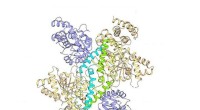
* Facilitated Diffusion: Molecules require a transport protein to help them cross the membrane, like glucose.
* Osmosis: The movement of water across a selectively permeable membrane from an area of high water concentration to an area of low water concentration.
* Filtration: The movement of water and small solutes across a membrane from an area of high pressure to an area of low pressure.
2. Active Transport: This type of transport requires energy from the cell, usually in the form of ATP. Molecules move against their concentration gradient, meaning they move from an area of low concentration to an area of high concentration. Examples of active transport include:
* Sodium-potassium pump: Pumps sodium ions out of the cell and potassium ions into the cell, maintaining the cell's membrane potential.
* Endocytosis: The cell engulfs large molecules or particles by forming a vesicle around them.
* Exocytosis: The cell releases large molecules or particles by fusing a vesicle with the cell membrane.
The specific mechanisms of cellular transport depend on the size, charge, and chemical properties of the molecules being transported, as well as the properties of the cell membrane.
Here's a quick summary:
| Type of Transport | Energy Requirement | Movement Direction | Examples |
|---|---|---|---|
| Passive Transport | No | Down concentration gradient | Simple diffusion, facilitated diffusion, osmosis, filtration |
| Active Transport | Yes | Against concentration gradient | Sodium-potassium pump, endocytosis, exocytosis |
Understanding the process of cellular transport is essential for understanding how cells function and how they interact with their environment.