Here's a breakdown:
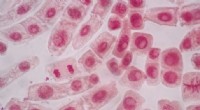
Plant Cells:
* Strengths:
* Photosynthesis: They can produce their own food through chloroplasts, making them self-sustaining.
* Cell Wall: Provides structural support and rigidity, enabling them to stand upright and resist osmotic pressure.
* Large Vacuole: Stores water and nutrients, helping maintain turgor pressure and regulating cell volume.
* Weaknesses:
* Limited Movement: The cell wall restricts movement, making them less mobile than animal cells.
* Slower Growth: The rigid cell wall limits cell expansion and growth.
* Ideal Environments: Land-based environments where sunlight and water are available.
Animal Cells:
* Strengths:
* Mobility: Lack of a rigid cell wall allows for flexibility and movement.
* Rapid Growth and Development: Can grow and divide quickly to form tissues and organs.
* Specialized Functions: Develop into a wide variety of specialized cells with unique functions.
* Weaknesses:
* Dependence on External Food: Cannot produce their own food and rely on other organisms for energy.
* Limited Structural Support: Lack of a cell wall makes them more susceptible to changes in osmotic pressure.
* Ideal Environments: Diverse environments, including aquatic and terrestrial habitats, where food sources are readily available.
In conclusion:
Both plant and animal cells are essential for life and have unique advantages and disadvantages. They are adapted to different environments and perform different functions.
Rather than asking which is better, it's more accurate to consider which cell is better suited for a particular purpose or environment.