Mitosis
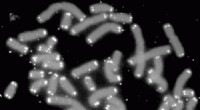
* What it is: Cell division that produces two identical daughter cells from a single parent cell.
* Purpose: Growth, repair, and asexual reproduction.
* Involves:
* Replication of DNA (chromosomes)
* Formation of a spindle apparatus
* Separation of chromosomes into two new nuclei
* Division of the cytoplasm (cytokinesis)
* Where it occurs: In all living organisms, specifically in somatic cells (non-sex cells).
Osmosis
* What it is: The movement of water molecules across a semi-permeable membrane from a region of high water concentration to a region of low water concentration.
* Purpose: Maintain cell volume, transport nutrients, and remove waste products.
* Involves:
* Water molecules passing through a selectively permeable membrane.
* Driven by the difference in water potential (concentration of water molecules) between two solutions.
* Where it occurs: Across cell membranes, in the digestive system, in plants (uptake of water from the roots).
In short:
* Mitosis is cell division, while osmosis is the movement of water.
* Mitosis involves the duplication of chromosomes, while osmosis involves the movement of water molecules.
* Mitosis is essential for growth and repair, while osmosis is essential for cell function and maintaining balance.