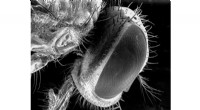
* Macroorganisms: These are organisms that are large enough to be seen with the naked eye. Think of things like plants, animals, fungi, and even some insects.
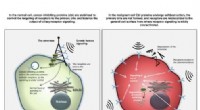
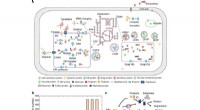
* Microorganisms: These are organisms that are too small to be seen without the aid of a microscope. This includes bacteria, viruses, protozoa, and some fungi.
Here's a table summarizing the key differences:
| Feature | Macroorganisms | Microorganisms |
|--------------|------------------------|----------------------|
| Size | Large, visible to the naked eye | Small, visible only under a microscope |
| Examples | Plants, animals, fungi, insects | Bacteria, viruses, protozoa, some fungi |
| Cellular Structure | Mostly multicellular | Mostly unicellular (except some fungi) |
Importance of Size:
The difference in size is crucial because it affects how these organisms interact with their environment and with each other.
* Macroorganisms are able to obtain nutrients and eliminate waste products more effectively due to their larger surface area. They often have complex organ systems for these processes.
* Microorganisms rely on diffusion and other simpler mechanisms for nutrient uptake and waste removal due to their small size. They have different strategies for survival and reproduction.
Note:
* Some organisms can be challenging to classify as strictly macro or micro. For example, some fungi can grow to be quite large, while some insects are very small.
* The terms "macro" and "micro" are often used in relation to the organism's impact rather than its size. For example, a macro-algae is large, while a micro-algae is small, but they both have significant ecological roles.
Overall, understanding the differences between macroorganisms and microorganisms is crucial for comprehending various biological and ecological concepts.