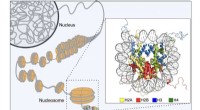
1. DNA Replication: This is the process of copying the cell's entire DNA, ensuring that each new cell receives a complete set of genetic instructions.
2. Cell Cycle Regulation: A series of checkpoints ensure that DNA is copied correctly and that the cell is ready to divide. Key proteins like cyclins and cyclin-dependent kinases (CDKs) regulate these checkpoints.
3. Organelles: Various organelles play crucial roles:
* Centrioles: Help organize microtubules that form the spindle fibers, which separate chromosomes during cell division.
* Ribosomes: Responsible for protein synthesis, essential for building new cells.
* Mitochondria: Provide energy for cell processes, including cell division.
4. Nutrients and Energy: Cells need a constant supply of nutrients (like sugars, amino acids) and energy (ATP) to fuel the processes involved in cell division.
5. Signals: External signals, like growth factors, can trigger cell division. Internal signals, like the presence of damaged DNA, can also initiate repair mechanisms or trigger programmed cell death (apoptosis).
6. Enzymes: Many enzymes are involved in the various steps of cell reproduction, such as DNA polymerase (for DNA replication), and topoisomerases (for unwinding DNA).
7. Structural Proteins: Proteins like actin and tubulin are essential for cell structure and movement, which are important during cell division.
8. Cell Membrane: The cell membrane helps maintain the cell's shape and regulates the passage of molecules in and out of the cell, which is crucial for cell growth and division.
9. Cytoplasm: The cytoplasm provides a medium for the cell's organelles to function and move around.
It's important to note that cell reproduction is a highly regulated and complex process, involving a delicate interplay of all these components. Problems with any of these factors can lead to errors in cell division, which can have serious consequences for the organism.